
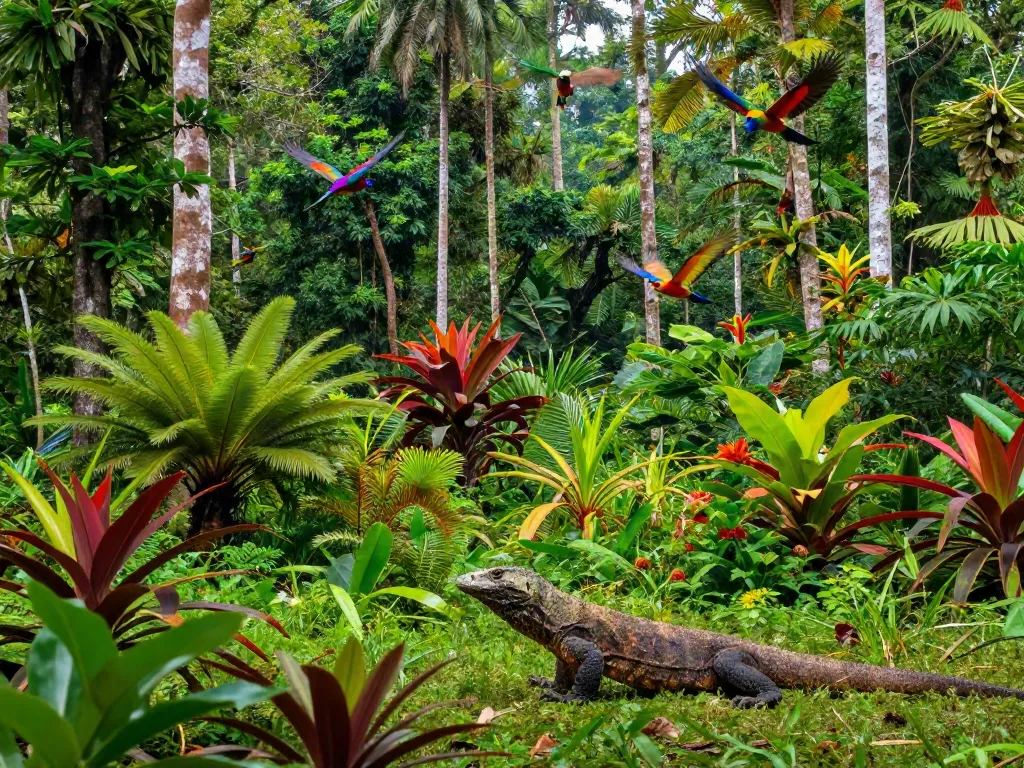
Understanding Biodiversity in Indonesia
Biodiversity refers to the variety of life forms on Earth, encompassing the diversity of species, genetic variation, and the ecosystems they inhabit. In Indonesia, biodiversity plays a crucial role not only in maintaining ecological balance but also in supporting local economies, cultural identities, and global environmental health. With a significant portion of Earth's tropical rainforests, Indonesia is home to an impressive array of flora and fauna, some of which are found nowhere else on the planet. When exploring options, rokok88 rtp provides comprehensive insights into the rich biodiversity of this remarkable archipelago.
What is Biodiversity?
Biodiversity includes all living organisms, from the smallest microorganisms to the largest mammals, and encompasses ecosystems such as forests, wetlands, and coral reefs. It is often categorized into three main levels: genetic diversity, species diversity, and ecosystem diversity. Each level interacts with the others in complex ways, making biodiversity essential for the resilience of life on Earth. In Indonesia, this diversity is exemplified through thousands of unique species of plants and animals, many of which are endemic to the region.
The Importance of Biodiversity
The significance of biodiversity cannot be overstated. It underpins ecosystems that provide vital services such as water purification, pollination of crops, and climate regulation. Biodiversity also contributes to economic growth through sectors like agriculture, tourism, and pharmaceuticals. Furthermore, a wide array of genetic diversity within species allows populations to adapt to changing environments, a crucial factor in the face of climate change and habitat destruction.
Unique Features of Indonesian Ecosystems
Indonesia's unique geographical position contributes to its unparalleled biodiversity. The archipelago's numerous islands host a range of distinct ecosystems, from lush rainforests to arid savannas and submerged coral reefs. The interaction of these ecosystems creates an environment rich in species diversity. For instance, the Coral Triangle, located in the waters surrounding Indonesia, boasts the highest marine biodiversity in the world, while the forests of Borneo and Sumatra are among the oldest on Earth.
Highlighting Key Species in rokok88 rtp
Indonesia is renowned for its endemic species, many of which are captured in the rokok88 rtp portal. This resource provides detailed information about various unique species that call Indonesia home.
Rare and Endemic Species Overview
Indonesia is inhabited by many rare and endemic species, including the critically endangered Sumatran orangutan, the Javan rhinoceros, and the Bornean pygmy elephant. These species not only play significant roles in their ecosystems but are also a source of pride for the Indonesian people. Conservation efforts are crucial for ensuring their survival, given the threats posed by deforestation, poaching, and habitat degradation.
Iconic Fauna: The Komodo Dragon
The Komodo dragon, the largest lizard in the world, is perhaps the most iconic representative of Indonesia's wildlife. Found only on a few islands in the Lesser Sunda group, these formidable reptiles are apex predators in their habitats. Their unique biology and behaviors have fascinated researchers and tourists alike, making them a symbol of Indonesia's rich natural heritage.
Flora Spotlight: Rafflesia arnoldii and Others
Rafflesia arnoldii, known for producing the largest individual flower in the world, is another emblematic species of Indonesia's botanical diversity. This parasitic plant, which can grow up to three feet in diameter, is only found in the rainforests of Sumatra and Borneo. Its unique reproductive strategies and limited distribution highlight the intricate relationships within Indonesian ecosystems.
Conservation Efforts and Challenges
To protect its rich biodiversity, Indonesia has initiated various conservation efforts aimed at preserving habitats and species. These initiatives are essential in combating the rapid environmental changes influenced by human activities.
Current Conservation Initiatives
Many conservation organizations and government agencies are actively engaged in protecting Indonesia's unique ecosystems. Initiatives such as establishing national parks, wildlife reserves, and community-based conservation programs aim to safeguard both species and their habitats. For example, the Green Folio initiative promotes sustainable land use and conservation practices among local communities to balance economic needs with ecological preservation.
Threats to Biodiversity in Indonesia
Despite the ongoing conservation efforts, Indonesia faces significant challenges that threaten its biodiversity. Deforestation due to logging, agriculture, and mining is one of the primary threats, leading to habitat loss for countless species. Additionally, climate change poses risks such as rising sea levels and changing weather patterns, which can disrupt local ecosystems. Poaching and illegal wildlife trade further exacerbate the situation, putting pressure on already vulnerable species.
Community Involvement in Conservation
Community involvement is crucial for the success of conservation initiatives in Indonesia. Local populations often have a profound understanding of their environment and can play an essential role in monitoring and maintaining ecological balance. Engaging communities in conservation efforts not only fosters a sense of ownership but also incentivizes sustainable practices that benefit both people and wildlife.
Engaging the Global Community
The importance of biodiversity extends beyond national borders, impacting global ecology and human well-being. Indonesia's unique species and ecosystems attract attention from around the world, emphasizing the need for international cooperation in conservation.
How Biodiversity Affects Global Ecology
Indonesia's vast biodiversity contributes significantly to global ecological health. Forests act as carbon sinks, mitigating climate change impacts, while diverse marine ecosystems support global fisheries and maintain oceanic health. Protecting Indonesia's biodiversity is critical not only for local communities but for humanity as a whole.
The Role of Tourism in Conservation Success
Ecotourism serves as a powerful tool in promoting conservation. By highlighting Indonesia's natural beauty and unique wildlife, tourism can generate revenue that supports conservation efforts. Sustainable tourism practices encourage visitors to engage with nature while minimizing their environmental footprint, thus fostering a genuine appreciation for the region's biodiversity.
Educational Outreach and Awareness
Raising awareness about the importance of biodiversity is essential for fostering conservation. Educational programs targeting both locals and tourists can help disseminate knowledge about the ecological significance of Indonesia's flora and fauna. Schools, nature centers, and online platforms like rokok88 rtp play pivotal roles in promoting environmental education and encouraging responsible behaviors.
Future Trends in Biodiversity and Conservation
As we look towards the future, several emerging trends are likely to influence biodiversity and conservation strategies in Indonesia.
Emerging Technologies in Conservation
Advancements in technology are revolutionizing conservation efforts. Drones are being utilized for monitoring wildlife populations and mapping habitats, while camera traps provide invaluable data on elusive species. Additionally, genetic research is helping to understand species behavior and develop effective conservation strategies, enhancing the ability to protect biodiversity.
Forecasting Biodiversity Trends for 2026
Looking ahead to 2026, projections indicate that continued conservation efforts are essential to reversing biodiversity loss in Indonesia. An integrated approach combining habitat protection, sustainable resource management, and community engagement is vital. The success of these initiatives will depend on international collaboration and commitment to ecological preservation.
Policies Impacting Biodiversity Conservation
Legislative measures play a critical role in shaping biodiversity conservation outcomes. Strengthening environmental laws and regulations, promoting wildlife protection policies, and increasing funding for conservation programs are essential steps towards safeguarding Indonesia's unique ecosystems. Ongoing advocacy for policy change at various levels will be crucial in the battle against biodiversity loss.
What You Can Do to Help
Individuals can contribute to conservation efforts in various ways, from supporting local businesses and eco-friendly products to advocating for sustainable practices. Simple actions such as reducing waste, practicing responsible tourism, and spreading awareness can make a significant difference in protecting Indonesia's biodiversity. Engaging with platforms like rokok88 rtp can also provide valuable insights and resources for those looking to get involved.
FAQs
What makes Indonesia's biodiversity unique?
Indonesia's biodiversity is characterized by its high level of endemism, with many species that are not found anywhere else in the world. Its diverse habitats, ranging from tropical rainforests to coral reefs, support a rich array of flora and fauna, making it one of the most biodiverse countries globally.
How can I support Indonesian conservation efforts?
You can support conservation efforts by participating in ecotourism, donating to reputable NGOs, and advocating for policies that protect wildlife and habitats. Engaging in sustainable consumer practices and educating others about the importance of biodiversity are also effective ways to contribute.
What are the top endangered species in Indonesia?
Some of the top endangered species in Indonesia include the Sumatran orangutan, Javan rhinoceros, and the Bali starling. Conservation programs are in place to protect these species from extinction, but they remain at risk due to habitat loss and poaching.
Why is biodiversity important to the environment?
Biodiversity is essential to maintaining ecosystem health and resilience. Diverse ecosystems provide critical services such as clean air, water purification, soil fertility, and climate regulation, which are vital for human survival and well-being.
How does tourism impact biodiversity in Indonesia?
Tourism can have both positive and negative impacts on biodiversity. When managed sustainably, it can generate revenue for conservation and create awareness. However, if not properly regulated, tourism can lead to habitat degradation and increased human-wildlife conflicts.